Our Team
Experienced Management Team of Innovators
Delta4’s team includes senior leaders and industry professionals with expertise in computational biology, bioinformatics, pharmaceuticals, and finance.

Delta4’s team includes senior leaders and industry professionals with expertise in computational biology, bioinformatics, pharmaceuticals, and finance.
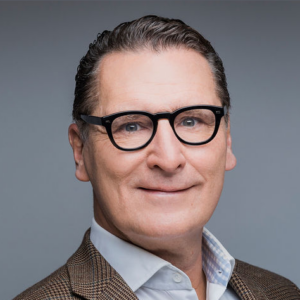
Kurt Herpel, MBA
CEO, Ex-Merck, Takeda
Senior pharma executive with 20+ years of experience in leading organisations. Multifaced leadership roles in start-ups and smaller enterprises beyond pharmaceuticals.
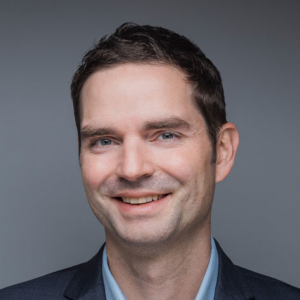
Klaus Kratochwill, PhD
CSO
Translational researcher with 15 years of experience in omics data generation and analysis. Lead for the company’s scientific activities. Visiting researcher at Harvard Medical School.
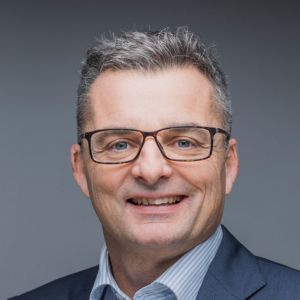
Alfred Steininger, MBA
CFO, Ex-Raiffeisen, St. Galler
Kantonalbank
Financial professional with 20+ years of experience in banking and capital markets.
Previous experience in multiple international organizations, including large and small size firms.


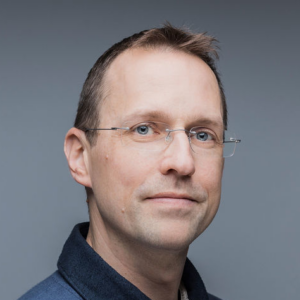
Paul Perco, PhD
Computational Biology Lead
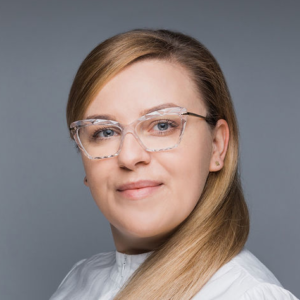
Kinga Keska-Izworska, PhD
Application Scientist, Computational Biologist
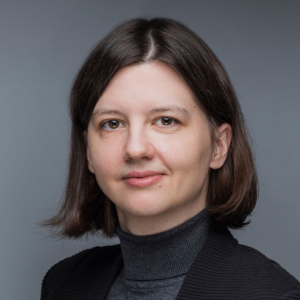
Dorota Wojenska, MA
Executive Assistant, Communication Manager
Matthias Ley, MSc
Lead Software Engineer
Lucas Fillinger, PhD
Application Scientist, Computational Biologist
Samuel Walter, MSc
Application Scientist, Computational Biologist
Andreas Heinzel, MSc
ML/AI Specialist, Hyper-C inventor, lecturer MedUni Wien
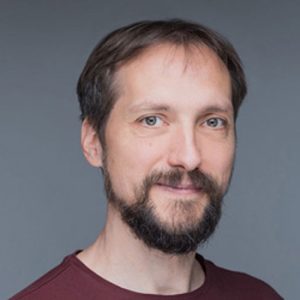
Peter Andorfer, PhD
Application Scientist, Computational Biologist
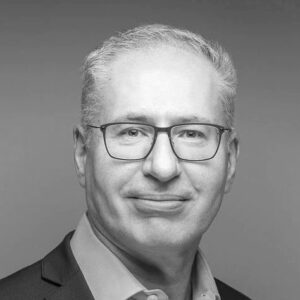
Walter Heindl
Financial Council, Ex-Nomura
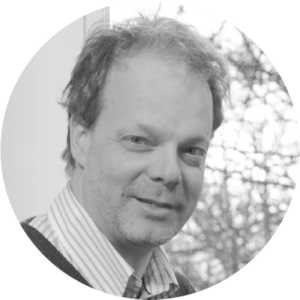
Christoph Aufricht
Top KOL & Medical council
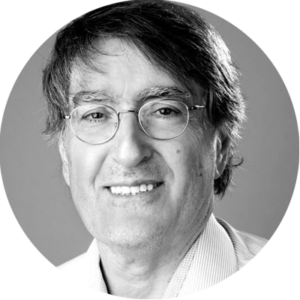
Hans Lehrach
Systems Biology Expert & Pioneer in NGS data
Kurt Herpel
CEO
Kurt Herpel (CEO) is a pharma executive with vast experience in leading organisations. Besides big pharma, he is experienced in start-up situations and smaller enterprises.
Kurt Herpel spent a significant part of his career with Merck & Co/MSD, where he was VP Global Head of Franchise and the leader of the world-wide business strategy team, responsible for the global development of marketing-strategy.
He was/is country CEO of a pharma company as well as a biotech-startup, and was the head of the global respiratory business with Takeda Pharma, and also CMO and board-member of a pharma-tech company.
He lived in the US, Germany, Switzerland, Spain and Austria.
Kurt Herpel is an out-of-the-box and structured thinker, who walks the talk. His track record as people manager is flawless. Kurt holds two business degrees, one from the Emory Business School (Atlanta, GA) and one from Austria.
Klaus Kratochwill
CSO
Klaus Kratochwill (CSO) is a translational researcher, biochemist by training. He is an expert for omics data generation and analysis. In Delta4, he is responsible for coordinating all scientific activities.
Dr. Klaus Kratochwill is a translational biomedical researcher in Vienna. He obtained his MSc in chemistry at the Vienna University of Technology and then received his PhD in 2009 at the Medical University of Vienna (MUV) at the Department of Pediatrics and Adolescent Medicine. He was head of the research laboratory of the spin-off company Zytoprotec, where he and his colleagues successfully developed a novel fluid for peritoneal dialysis from in-vitro discovery to clinical application.
Using a systems biology approach previous work yielded insight into intracellular events and functional pathways in models of experimental peritoneal dialysis and thereby identified inadequate or suppressed cellular stress responses (CSR) in mesothelial cells exposed to peritoneal dialysis fluids as a novel pathomechanism.
Klaus Kratochwill is member of the board of the Austrian Proteomics Association (AuPA). He also was one of the principal investigators of an EU funded project including research institutes and industry throughout 8 EU member states. In 2014 Klaus Kratochwill was a visiting researcher at Harvard Medical School.
Since 2016, Klaus Kratochwill heads the “Christian Doppler Laboratory for Molecular Stress Research in Peritoneal Dialysis (CDL-MSRPD)” which aims to identify molecular stress signatures as surrogate markers of clinical outcome in peritoneal dialysis, and to identify novel cytoprotective additives and characterize their molecular mode of action.
Alfred Steininger
CFO
Alfred Steininger (CFO) is a financial professional with a deep knowledge in banking and capital markets. He has worked in a couple of different countries and for both large and small organizations.
Alfred Steininger has many years of experience as a financial analyst at Raiffeisen Banking Group, as financial analyst and fund manager at the Swiss Private Bank Hyposwiss, and as a team leader for equity and fund research at the St. Galler Kantonalbank. In these roles he had extensive interactions with CEOs and CFOs from various companies and industries, thus gaining a profound knowledge of a multitude of different business and economic models.
More recently Alfred has had a lot of exposure to start-ups and young enterprises, both from an investor angle (business angel) and from an operational perspective (CFO of an Austrian mobility start-up).
Alfred Steininger graduated from the Vienna University of Business and Economics with a master’s degree in commerce / business administration.
Dorota Wojenska
Executive Assistant, Communication Manager
Dorota Wojenska (Executive Assistant, Communication Manager) has over a decade of experience in the pharmaceutical trade, with a diverse skill set spanning Sales, Quality Management, Administrative Support, and the coordination of complex Media Projects.
During her pharmaceutical career, Dorota Wojenska gained extensive expertise in gut health and autoimmune diseases through specialized training and day-to-day practical experience. She further deepened her knowledge of microbiology and biochemistry while studying Biology at the University of Leipzig.
In addition to her professional work, Dorota actively advocates for endometriosis awareness. She contributed to the first feature film on this illness in the DACH region and manages a website offering resources for patients, updates on research, and information on studies, showcasing her dedication to addressing critical healthcare challenges.
Dorota also holds a master’s degree in Audiovisual Media Design, bringing expertise in the coordination and administration of complex multimedia projects.
Her broad knowledge and proactive approach make her an integral part of the team, driving effective communication and organizational strategies.
Paul Perco
Computational Biology Lead
Paul Perco is an expert in computational biology, bioinformatics and biostatistics for digital drug discovery.
Dr. Paul Perco studied Microbiology and Genetics at the University of Vienna and obtained his PhD in 2005 on Network analysis of gene expression data in human kidney disease. After a period as post-doctoral fellow at the department of Internal Medicine III at the Medical University of Vienna, he joined the team of emergentec biodevelopment. Until 2016 he was head of applications at emergentec biodevelopment being responsible for the applied bioinformatics projects as well as the development of the e.valuation software platfom. He was for many years lecturer on applied bioinformatics and systems medicine at the Technical University of Vienna in the master program on Medical Informatics. End of 2016 he took on a position as senior researcher at the Medical University of Innsbruck where he successfully completed his habilitation thesis in the field of bioinformatics in 2019 on Network-based bioinformatics disease and drug modeling, supporting biomarker and drug target identification.
Dr. Paul Perco has authored over 100 publications in peer-reviewed scientific journals in the area of nephrology, oncology, and bioinformatics methods development and application, with a current H-index of 36.
Kinga Keska-Izworska
Application Scientist, Computational Biologist
Kinga Keska-Izworska is a bioinformatics researcher with a solid background in omics data analysis and experience in international academic and industry research settings.
Dr. Kinga Keska-Izworska graduated in Biotechnology in 2016. She defended her PhD thesis (2022) at the University of Agriculture in Kraków. During her PhD studies, Kinga discovered non-coding RNAs (lncRNA and miRNA) participating in post-transcriptional gene regulation under oxygen deprivation. She was also involved in several other scientific projects making use of various omics data to decipher gene expression regulation.
Later in her career, Kinga joined Ryvu Therapeutics as a bioinformatician where she was mostly in charge of the computational analyses of a wide range of NGS data to reveal mechanisms of action of selected compounds in various cancer indications.
Kinga has co-authored several conference reports and peer-reviewed scientific publications.
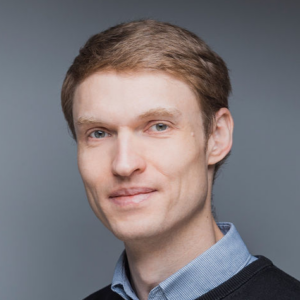
Lucas Fillinger
Application Scientist, Computational Biologist
Lucas Fillinger is a molecular biologist versed in the analysis of heterogeneous multivariate datasets and biostatistics.
Dr. Lucas Fillinger studied Biology and Medical Laboratory Research at Stenden University of Applied Sciences in Emmen / Netherlands (BASc, 2011) and Molecular Cell Biology at VU Amsterdam (MSc with distinction, 2013). He conducted his PhD research at Helmholtz Zentrum München / Germany, using high-throughput sequencing data and multivariate statistics to investigate the dynamics of complex microbiomes in relation to environmental changes. Lucas received his PhD from the Technical University of Munich in 2020 and subsequently continued his research as a postdoc at the University of Vienna until 2022, where he additionally gave lectures on biological data analysis. Over the course of his academic career, Lucas has gained extensive experience in working in international, interdisciplinary research teams and has authored several peer-reviewed scientific publications.
Peter Andorfer
Application Scientist, Computational Biologist
Peter Andorfer is an expert in molecular and computational biology, with broad expertise ranging from gene therapy and protein engineering to antibody research and drug discovery.
Dr. Peter Andorfer is a molecular and computational biologist with expertise in gene therapy, protein engineering, antibody research, and drug discovery. His work spans both academia and industry, focusing on the development of innovative technologies to advance therapeutic solutions.
He studied Microbiology and Genetics at the University of Vienna and the University of Glasgow, earning his PhD in 2011 at the Max Perutz Labs, where he researched cell cycle regulation and DNA damage. Following his doctoral studies, he specialized in monoclonal and recombinant antibodies as a postdoctoral researcher. In 2014, he earned an MSc in Bioinformatics from the University of Applied Sciences Vienna, focusing on molecular disease and drug mechanism models for biomarker and drug target selection.
His research continued at the CD Lab for Innovative Immunotherapeutics, in collaboration with F-Star, where he worked on protein engineering to enhance the therapeutic efficacy of cancer-targeting antibodies. In 2019, he joined Takeda’s Gene Therapy Process Analytics Department, where he established new analytical methods, including a sequencing facility for viral and target cell line sequencing, and contributed to process development through cell line engineering.
With multiple publications in cell biology, antibody research, gene therapy, and bioinformatics, he has built broad and interdisciplinary expertise.
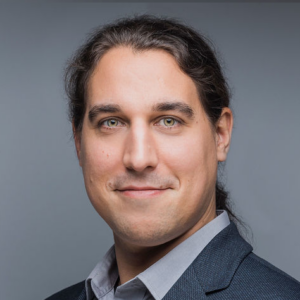
Samuel Walter
Application Scientist, Computational Biologist
Samuel Walter is a bioinformatician experienced in working with various omics data, data integration and data analysis.
Samuel Walter is a bioinformatician with a strong biological background. He studied Molecular Biotechnology (BSc, 2014) and Bioinformatics (MSc, 2016) at the University of Applied Sciences FH Campus Wien. Already during his studies, he worked as a bioinformatician on various projects, ranging from variant analysis for strain engineering in biotechnology to miRNA prediction.
After his studies, he started his PhD in 2016 at the University of Vienna, working on urban metagenomics in collaboration with the FH Campus Wien, as well as on host-pathogen interactions of Neisseria meningitidis, utilizing transcriptomic and proteomic data.
Beside his research, Samuel has also been active as a lecturer at the University of Applied Sciences Wiener Neustadt, teaching “Comparative Genomics” and “Transcriptomics” in the Master of Science program Bio Data Science.
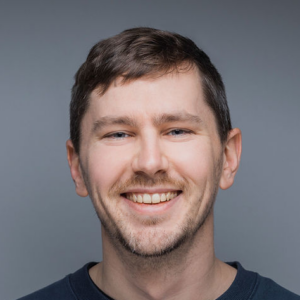
Matthias Ley
Lead Software Engineer
Matthias Ley is a full-stack software engineer with a strong background in interdisciplinary software development.
Matthias Ley studied Biomedical Engineering (BSc, 2017) and Rehabilitation Engineering (MSc, 2019) at the University of Applied Sciences FH Technikum Wien. During his studies, he contributed to several projects, including the development of a photoplethysmographic module for wearable technology, software-driven solutions for rehabilitative applications, and the implementation of emotion recognition systems using multimodal biosignal data.
After graduating, Matthias specialized in serial interfaces, UI development, operations and project management for a laser beam scanner display. He later moved into a leading role in software development, overseeing architecture, design and implementation. His expertise centers around Java, Python, SQL, graph databases, DevOps practices, Linux system administration and cloud server management. His work reflects a balance of technical depth and interdisciplinary insights through contributions to peer-reviewed research papers.
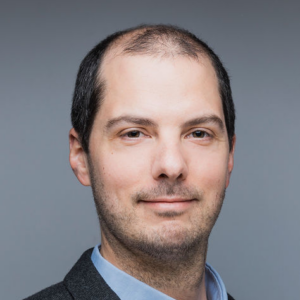
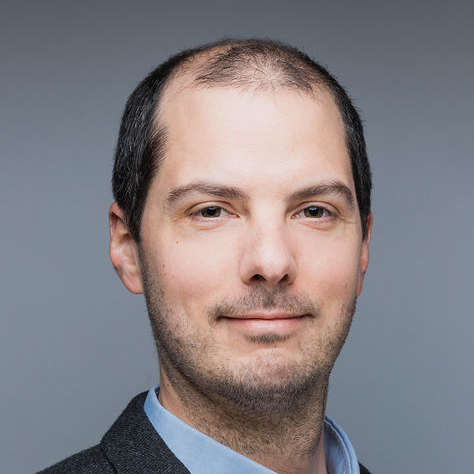
Andreas Heinzel
Bio-IT Specialist
Andreas Heinzel is an experienced IT specialist with a focus on bioinformatics.
Andreas Heinzel is a Bioinformatician by training. He studied Bioinformatics at the Upper Austria University of Applied Sciences from where he obtained his MSc. in 2010. Already during his studies he joined the team of emergentec biodevelopment GmbH. In his first years at emergentec Andreas was involved in multiple immunoinformatics projects specifically focusing on the identification of B-Cell epitopes. Later in his career at emergentec he joined the applied bioinformatics team working on the identification of prognostic and predictive biomarkers in various indications. In parallel Andreas was also part of the e.valuation software platfom development team as a software engineer and application scientist allowing him to bridge the gap between the development and the research teams. In the beginning of 2017 he joined the nephrogene research group at the department of nephrology at the Medical University of Vienna to primarily work on alloimmunity in the field of kidney transplantation. In addition to his research activities Andreas is active as a lecturer at the University of Applied Sciences Upper Austria.
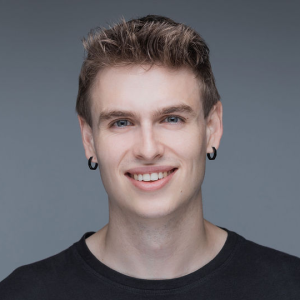
Enrico Bono
Application Scientist, Computational Biologist
Enrico Bono is an MSCA PhD student in the EU-funded PICKED (Personalized Medicine in Chronic Kidney Disease) project with a strong passion for machine learning (ML), artificial intelligence (AI), and multi-omics approaches for advancing precision medicine.
Enrico Bono earned his Bachelor’s degree in Biotechnology from the University of Turin (BSc, 2021) and his Master’s degree in Biomedical Omics from the University of Milan (MSc, 2024). Throughout his academic journey, he worked on both wet-lab and bioinformatics projects. Notably, during his Master’s thesis internship at the European Institute of Oncology (IEO), he gained valuable experience in the preprocessing, analysis, and interpretation of omics data.
After completing his studies, he joined the Data Analytics and AI team at BioLizard as a graduate intern, where he contributed to their AI-driven Multi-Omics Integration Platform for therapeutic target discovery.
Louiza Galou
Application Scientist, Computational Biologist
Louiza Galou is an MSCA-funded PhD researcher within the EU Horizon Europe PROMOTE consortium (Prostate Cancer Omics Mediated Intervention), driven by a strong passion for applying artificial intelligence to solve complex biomedical challenges. Deeply motivated by the transformative potential of computational biology, her research explores how AI can be leveraged to decode the intricate biological underpinnings of disease, with the ultimate goal of advancing precision diagnostics and guiding therapeutic decision-making.
Louiza Galou earned her Bachelor’s degree in Bioinformatics from the University of Paris (BSc, 2019) and a Master’s degree in Bioinformatics and Engineering of Biological Platforms (MSc, 2024). Her academic journey has been characterized by an interdisciplinary approach and a consistent focus on translational research at the intersection of AI, genomics, and molecular medicine.
Louiza has previously worked at the French National Institute of Health and Medical Research (INSERM), where she investigated structural variations contributing to differences in viral phenotypes and antiretroviral resistance in HIV-1 and HIV-2. She then joined Owkin, where she worked on evaluating the nature of drug interactions at the transcriptomic level—using omics data to distinguish between synergistic, additive, or antagonistic effects of drug combinations.
Most recently, at Servier, she focused on tumor heterogeneity in non-small cell lung cancer (NSCLC), identifying resistant subtypes to immunotherapy and exploring the biological mechanisms underlying therapeutic response variability.
Fabio Baumgärtel
Bioinformatician
Fabio Baumgärtel is a bioinformatician specializing in the processing and visualization of biomedical data.
Walter Heindl
Council Member
Walter Heindl is a financial expert with more than 25 years of experience in Investment Banking / Capital Markets, combined with a strong background in leadership and strategy.
Walter Heindl is an angel investor and consultant, who primarily focuses on Life Sciences and also gets deeply involved in operational matters. Before his full-time engagement in the Life Sciences he spent almost 25 years in global Investment Banking / Capital Markets, of which 14 years as Managing Director. His most recent role was CEO of the post-Brexit EU entity of Nomura in Frankfurt / Germany, Country Head of Germany & Austria (spanning Fixed Income, Equities, Investment Banking, and all Support & Control functions), and Vice Chairman of Nomura’s German Asset Management business.
Prior to his role in Frankfurt he was the Global Head of Wholesale Strategy for Nomura (i.e. the global Investment Bank), based out of the firm’s global headquarters in Tokyo / Japan. The scope of this role was very broad, including the development of long-term strategic plans, country and product strategies, market and competitor analyses, acquisitions/JVs/alliances, etc. He managed a global team of strategists across Tokyo, Hong Kong, Mumbai, London, and New York.
Walter joined Nomura in 2008 through the acquisition of Lehman Brothers Asia, and was part of the senior executive team which negotiated and closed the historic sale of Lehman Brothers’ international businesses to Nomura. At Lehman Brothers he held two roles, on one hand Head of APAC Strategy, and on the other hand CAO for Asia Ex-Japan. In his latter responsibility he oversaw all Support & Control functions outside of Japan and Korea, with approximately 500 staff across 6 offices, and covering areas like Product & Financial Control, Tax, Market & Credit Risk Management, Information Technology, Operations, Compliance, Legal, and Human Resources. Earlier roles included Strategy Consulting at Booz Allen & Hamilton (Senior Engagement Manager & member of the Financial Services group) and Corporate Banking at Citibank in London.
Walter holds a master’s degree from the University of Business and Economics in Vienna, graduating summa cum laude. He is fully fluent in English and German, and has good working knowledge of Japanese.
Christoph Aufricht
Council Member
Christoph Aufricht is a translational medical researcher and an expert for drug development in nephrology and rare diseases.
Univ. Prof. Christoph Aufricht is Head of the Division of Pediatric Nephrology and Gastroenterology at the Department of Pediatrics and Adolescent Medicine, Vienna General Hospital – Medical University of Vienna.
Christoph Aufricht teaches medicine at the Medical University of Vienna and has conducted many years of clinical and translational research, also at Yale and UCLA. He is member of the European Pediatric Dialysis Working Group, board member of the Austrian Society for Nephrology and past-president of the Austrian Pediatric Nephrology Working Group. Prof. Aufricht is author of more than 130 peer-reviewed publications in scientific journals, holder of two patents, scientific founder and CSO of Zytoprotec and recipient of several national and international awards.
Prof. Aufricht is Principal Investigator in the Horizon 2020 Programme “Identification and Management of Patients at Risk – Outcome and Vascular Events in Peritoneal Dialysis (IMPROVE-PD)”. He is a funded investigator of peer reviewed research support such as EU FP7, FWF or OeNB and conducts translational and clinical research in different areas of pediatric nephrology.
Hans Lehrach
Systems Biology Expert & Entrepreneur
Hans Lehrach was among the initiators of the Human Genome Project and is a pioneer in the application of next generation sequencing techniques and systems medicine for the development of personalized therapies.
Hans Lehrach, Ph.D. became Director at the Max Planck Institute for Molecular Genetics, Berlin in 1994 (em. 2014). He holds a position as a Visiting Professor at the Southern University of Science and Technology (SUSTech), Shenzhen, China and is founder of several biotechnology companies including Alacris Theranostics GmbH.
His expertise lies in genetics, genomics, systems biology and personalized medicine. He has been a pioneer in the application of next generation sequencing techniques and systems medicine for the development of personalized therapies in cancer (Virtual Patient Model).
The main focus of his research is the development of methods for predicting the behavior of the complex biological systems, through a combination of genetics, genomics, bioinformatics and systems biology techniques. This makes it possible, on the basis of a detailed molecular examination of tumor patients, to develop computer models of the individual patient, i.e. ‘virtual patient models’, which can systematically test all theoretically possible therapies. Thus, the optimal therapy for the individual patient, with a possible reduction of side effects, can be identified and made available to the patient. These techniques can also be used for drug development, testing the many steps involved first on a computer model. Thus, ‘virtual clinical trials’ can reduce the risks of developing new drugs at an early stage, reducing costs and accelerate timelines.
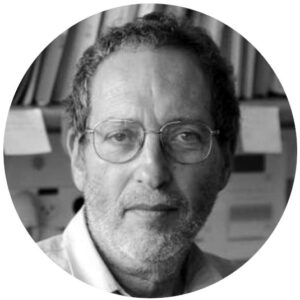
Doron Lancet
Pioneer of Systems Biology
Doron Lancet is one of the pioneers of systems biology in the context of human disease. He is head of the Crown Human Genome Center at the Weizmann Institute of Science and is well-known for creating the widely-used GeneCards® system.
Doron Lancet, Ph.D., is professor of Human Genomics at the Weizmann Institute of Science, who established and then headed for 20 years the Crown Human Genome Center at the Weizmann Institute of Science in Israel.
In his genomic research Doron Lancet focused on the identification of disease genes as well as on the detailed identification and analysis of human odorant receptor genes. In parallel, he developed a suite of bioinformatic databases and systems biology tools for the analysis of human genomic data. In this realm, his team developed the GeneCards suite, a world-renowned web-based compendium of human genes, with affiliated software tools for the phenotype interpretation of genome sequences. Key database within the GeneCards suite are MalaCards, a compendium of human diseases and their annotations, PathCards, an integrated database of human biological pathways, and VarElect, a tool for rapid prioritization of genes based on disease phenotypes of interest.
Doron Lancet also pioneered research on the biochemistry, genetics and evolution of olfaction, including computer models for analyzing affinity distributions in molecular receptor repertoires, later used for developing a new model for the Origin of life. Lancet has published over 300 research articles, with an H-index of 92.

Larry Greenbaum
Medical Expert
Larry Greenbaum is a leading pediatric nephrologist and a well-known international expert for kidney disease.
Larry Greenbaum, MD, PhD is Division Director of Pediatric Nephrology and the Bernard Marcus Professor of Pediatric Nephrology at the Emory School of Medicine in Atlanta. He is also the Director of Pediatric Nephrology and Executive Clinical Director at Children’s Healthcare of Atlanta. He received his MD and PhD degrees from the Yale School of Medicine, and completed a residency in Pediatrics and a fellowship in Pediatric Nephrology at the UCLA School of Medicine.
Dr. Greenbaum is an NIH-funded investigator and conducts clinical research in a variety of areas in pediatric nephrology, including aHUS, cystinosis, RTA, urinary tract infections, chronic kidney disease, and nephrotic syndrome. He co-edited the textbooks Practical Strategies in Pediatric Diagnosis and Therapy and Clinical Pediatric Nephrology. He is a major contributor to Nelson Textbook of Pediatrics. He has received multiple awards for teaching residents and medical students.
Dr. Greenbaum has served as president of the American Society of Pediatric Nephrology, chair of the Executive Committee of the American Academy of Pediatrics Section on Nephrology, and on the nephrology section of the American Board of Pediatrics. He is currently on the steering committees of the Pediatric Nephrology Research Consortium, the CKiD NIH study of children with chronic kidney disease, and the CureGN NIH study of patients with glomerular disease.